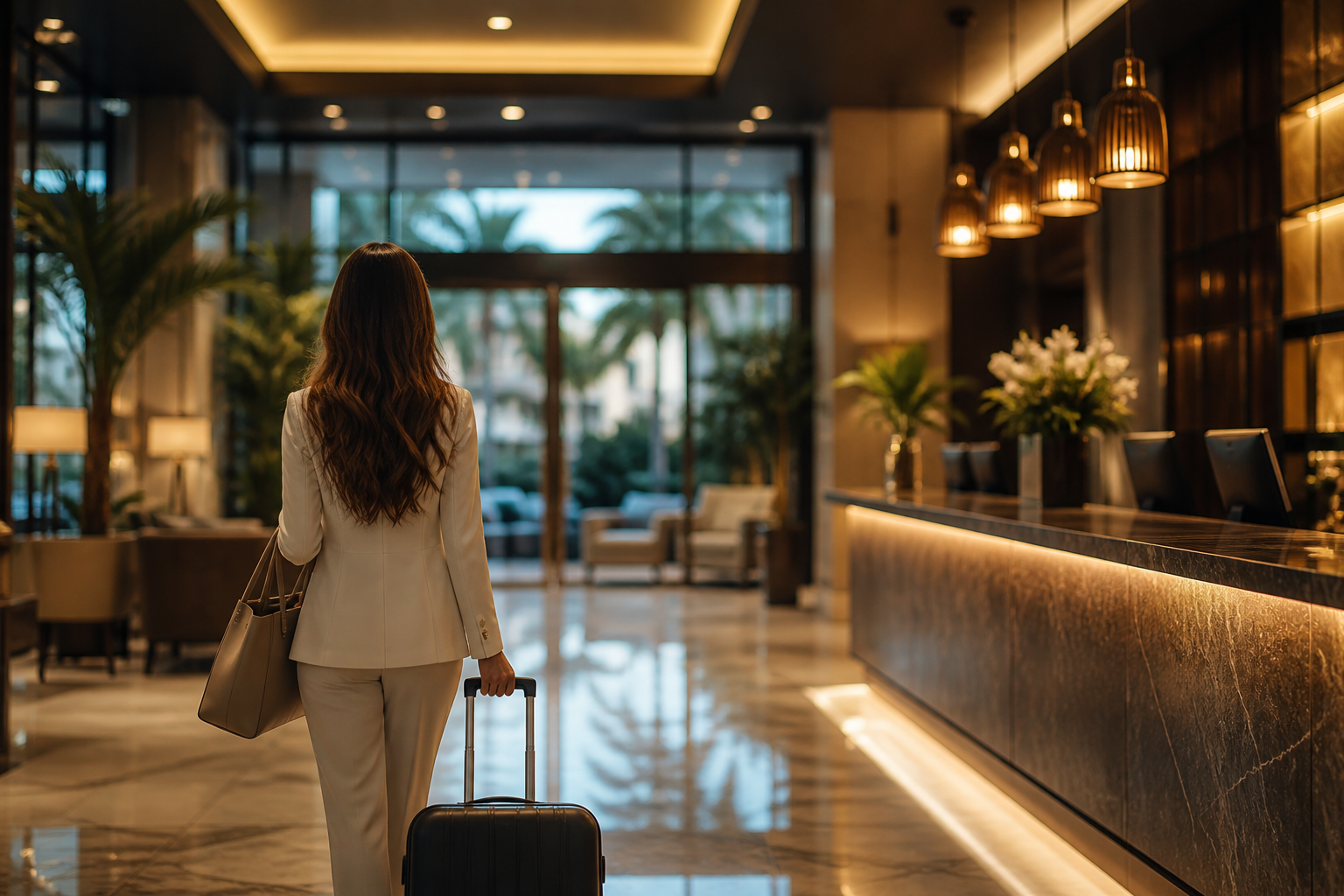
In 2026, the hospitality landscape is more competitive than ever. Online Travel Agencies (OTAs) still dominate visibility—but they also take a significant cut of your revenue. The most successful hotels today are shifting focus toward direct bookings—building stronger relationships with guests while increasing profitability.
If you want to reduce dependency on third-party platforms and take control of your revenue, these five proven strategies will position your property for growth.
1. Build a High-Converting Website Experience
Your website is your most powerful sales tool—or your biggest missed opportunity.
A modern hotel website must go beyond aesthetics. It should be:
- Fast-loading and mobile-optimized
- Easy to navigate
- Equipped with a seamless booking engine
- Designed with clear calls-to-action (“Book Now,” “Check Availability”)
Most importantly, your website must inspire trust and emotion. Guests are not just booking a room—they are buying an experience.
Insight: If your website feels outdated or confusing, guests will default to OTAs—even if your rates are better.
2. Offer Exclusive Direct Booking Incentives
Why should a guest book directly with you instead of through an OTA?
Give them a clear reason.
Effective incentives include:
- Best rate guarantees
- Complimentary breakfast or upgrades
- Flexible cancellation policies
- Early check-in / late check-out
- Loyalty perks or discounts
These benefits don’t always have to reduce your revenue—they simply need to increase perceived value.
Positioning matters: Don’t just offer discounts—frame them as exclusive privileges for direct guests.
3. Optimize Your Digital Visibility (SEO + Google Hotel Tools)
Guests are searching for your hotel online—make sure they find you directly.
Focus on:
- Search Engine Optimization (SEO) for your hotel name and location
- Google Business Profile optimization
- Integration with Google Hotel Ads and booking links
- High-quality images and updated descriptions
When done right, your hotel can appear prominently in search results—before guests even consider OTAs.
Reality: Visibility is no longer optional—it’s a revenue driver.
4. Leverage Guest Data & Retargeting
Every guest interaction is an opportunity.
Use your data to:
- Capture emails through your website
- Send personalized offers and promotions
- Retarget website visitors who didn’t complete bookings
- Build loyalty programs that encourage repeat stays
Returning guests are far more likely to book directly—especially when they feel recognized and valued.
Key shift for 2026: Hotels that treat data as an asset—not just information—will outperform competitors.
5. Strengthen Your Brand Story & Trust Signals
Hospitality is storytelling—and your brand must communicate a clear, compelling narrative.
Ask yourself:
- What makes your property unique?
- What experience do you promise guests?
- Why should someone choose you over competitors?
Reinforce your story with:
- Professional photography and video
- Guest reviews and testimonials
- Certifications, awards, or trust badges
- Consistent branding across all platforms
Guests book with confidence when they feel connected to your brand.
Boosting direct bookings isn’t about one tactic—it’s about alignment.
Your website, pricing, marketing, and guest experience must work together to create a seamless journey from discovery to booking.
Hotels that invest in direct booking strategies don’t just increase revenue—they gain control, independence, and long-term guest loyalty. In 2026, the hospitality landscape is more competitive than ever. Online Travel Agencies (OTAs) still dominate visibility—but they also take a significant cut of your revenue. The most successful hotels today are shifting focus toward direct bookings—building stronger relationships with guests while increasing profitability.
If you want to reduce dependency on third-party platforms and take control of your revenue, these five proven strategies will position your property for growth.
1. Build a High-Converting Website Experience
Your website is your most powerful sales tool—or your biggest missed opportunity.
A modern hotel website must go beyond aesthetics. It should be:
- Fast-loading and mobile-optimized
- Easy to navigate
- Equipped with a seamless booking engine
- Designed with clear calls-to-action (“Book Now,” “Check Availability”)
Most importantly, your website must inspire trust and emotion. Guests are not just booking a room—they are buying an experience.
Insight: If your website feels outdated or confusing, guests will default to OTAs—even if your rates are better.
2. Offer Exclusive Direct Booking Incentives
Why should a guest book directly with you instead of through an OTA?
Give them a clear reason.
Effective incentives include:
- Best rate guarantees
- Complimentary breakfast or upgrades
- Flexible cancellation policies
- Early check-in / late check-out
- Loyalty perks or discounts
These benefits don’t always have to reduce your revenue—they simply need to increase perceived value.
Positioning matters: Don’t just offer discounts—frame them as exclusive privileges for direct guests.
3. Optimize Your Digital Visibility (SEO + Google Hotel Tools)
Guests are searching for your hotel online—make sure they find you directly.
Focus on:
- Search Engine Optimization (SEO) for your hotel name and location
- Google Business Profile optimization
- Integration with Google Hotel Ads and booking links
- High-quality images and updated descriptions
When done right, your hotel can appear prominently in search results—before guests even consider OTAs.
Reality: Visibility is no longer optional—it’s a revenue driver.
4. Leverage Guest Data & Retargeting
Every guest interaction is an opportunity.
Use your data to:
- Capture emails through your website
- Send personalized offers and promotions
- Retarget website visitors who didn’t complete bookings
- Build loyalty programs that encourage repeat stays
Returning guests are far more likely to book directly—especially when they feel recognized and valued.
Key shift for 2026: Hotels that treat data as an asset—not just information—will outperform competitors.
5. Strengthen Your Brand Story & Trust Signals
Hospitality is storytelling—and your brand must communicate a clear, compelling narrative.
Ask yourself:
- What makes your property unique?
- What experience do you promise guests?
- Why should someone choose you over competitors?
Reinforce your story with:
- Professional photography and video
- Guest reviews and testimonials
- Certifications, awards, or trust badges
- Consistent branding across all platforms
Guests book with confidence when they feel connected to your brand.
Boosting direct bookings isn’t about one tactic—it’s about alignment.
Your website, pricing, marketing, and guest experience must work together to create a seamless journey from discovery to booking.
Hotels that invest in direct booking strategies don’t just increase revenue—they gain control, independence, and long-term guest loyalty.